Before the First Word Is Spoken: The Deliberate Stagecraft Behind Elite Creative Presentations
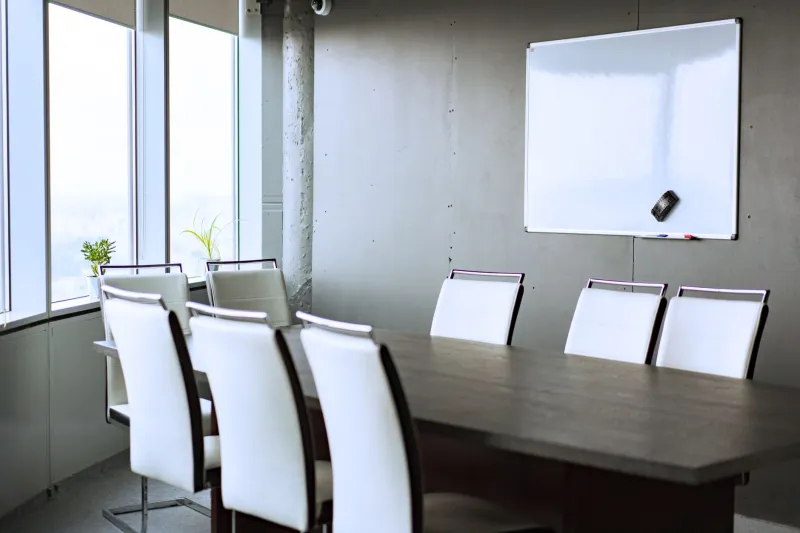
There is a particular silence that settles over a conference room just before a creative studio unveils its work. The lighting is set. The deck is queued. The air itself seems to hold. For the uninitiated, that silence reads as tension. For the studios who have engineered it deliberately, it is the opening note of a performance they have been rehearsing since the project began.
America's leading creative studios have long understood something that many of their peers are still learning: the quality of the work and the quality of the reveal are not separate concerns. They are two movements of the same composition. A brilliant brand identity presented poorly can feel uncertain. A bold campaign concept introduced without context can land as confusion rather than conviction. The room — its pacing, its atmosphere, its language — shapes perception before a single image is processed.
The Presentation as a Distinct Creative Artifact
The most disciplined studios treat the client presentation as its own deliverable. It requires a brief, a structure, a point of view, and a form of craft that is entirely distinct from the work being shown. This is not a matter of salesmanship. It is a matter of stewardship.
When a studio has spent weeks developing a visual identity or a campaign framework, the presentation is the bridge between that effort and the client's comprehension of it. Without that bridge, even the most rigorous creative thinking risks being misread. A logo presented cold, without the strategic narrative that shaped every curve and color choice, is just a mark. With the right framing, it becomes a declaration.
This is why elite studios invest real resources — time, rehearsal, environmental design — into the presentation experience itself. They are not decorating their work. They are completing it.
Controlling the Atmosphere Before the Room Fills
The physical environment of a presentation communicates before anyone opens their mouth. Studios who understand this arrive early. They assess the lighting — harsh overhead fluorescents flatten visual work in ways that a few adjusted fixtures can correct. They consider the seating arrangement, ensuring that the primary decision-makers are positioned to see the screen without obstruction or distraction. They test the display calibration, because color accuracy on a cheap projector can undermine months of palette development in an instant.
These are not obsessive details. They are professional ones. In the same way that a cinematographer would never screen a final cut on an uncalibrated monitor, a serious creative studio does not leave the presentation environment to chance. The room is part of the work.
Beyond the physical, there is the emotional temperature of the space. Studios with strong client relationships know how to read a room before it begins — whether a client arrives distracted, anxious, or energized — and they calibrate their opening accordingly. A formal agenda may give way to a brief, genuine conversation that settles the atmosphere before the structured presentation begins. This is not improvisation. It is practiced responsiveness.
The Architecture of the Reveal
Pacing is among the most underestimated tools in a creative presentation. The instinct, particularly for studios eager to demonstrate the breadth of their thinking, is to move quickly — to show everything, explain everything, and demonstrate value through volume. Elite studios resist this instinct entirely.
The reveal is a sequence, not a dump. It begins with context: the problem as it was understood, the constraints that shaped the creative direction, the strategic principles that guided every decision. This is not preamble. This is the foundation that allows the work, when it finally appears, to be received as inevitable rather than arbitrary.
When the work is shown, it is shown with restraint. A single concept on a full screen, held in silence for a moment before any words accompany it. That silence is intentional. It allows the client to form a first impression without immediately being told what to think. The studio's language then arrives to deepen and expand that impression, not to preempt it.
This sequencing — context, silence, language, detail — mirrors the rhythm of any well-constructed narrative. It respects the audience's intelligence while guiding their attention with precision.
Language as a Creative Tool
The words a studio chooses when presenting work are not incidental. They are chosen. Studios at the highest level of the discipline have developed a vocabulary that is both precise and evocative — language that connects the strategic rationale of a creative decision to the emotional experience it produces.
The difference between saying "we used a muted color palette" and "we pulled the saturation back to create a sense of considered restraint that positions this brand as the most serious voice in the category" is not cosmetic. The first describes a choice. The second explains its purpose and its consequence. Clients who understand why a decision was made are far more likely to trust it — and to defend it internally when the work moves into broader review.
This is particularly relevant in the American market, where creative decisions frequently travel through multiple layers of stakeholder approval before implementation. A studio that equips its primary client contact with the language to advocate for the work is a studio that protects the integrity of that work long after the presentation room has emptied.
Why the Presentation Room Determines Long-Term Relationships
Studios that win single projects are often technically capable. Studios that build decade-long client partnerships are almost always exceptional presenters. The reason is straightforward: the presentation experience is the clearest signal a studio sends about how it thinks, how it communicates, and how seriously it takes the client's experience of the work.
A client who leaves a presentation feeling heard, informed, and genuinely moved by what they have seen is not simply approving a deliverable. They are forming a belief about the studio's character. That belief — that this studio is thorough, thoughtful, and invested in the outcome — becomes the foundation of trust that sustains a creative relationship through the inevitable friction of future projects.
The studios that understand this do not treat the presentation as the end of the production process. They treat it as one of its most critical productions. The work earns the opportunity. The presentation determines what happens next.
At Studio P9, the discipline of the presentation room is inseparable from the discipline of the studio itself. Craft, vision, and production do not conclude when the final file is exported. They extend into every moment of the client experience — including, and perhaps especially, the moment the work is first seen.