Inside the Studio: The Real Journey From Client Brief to Final Deliverable
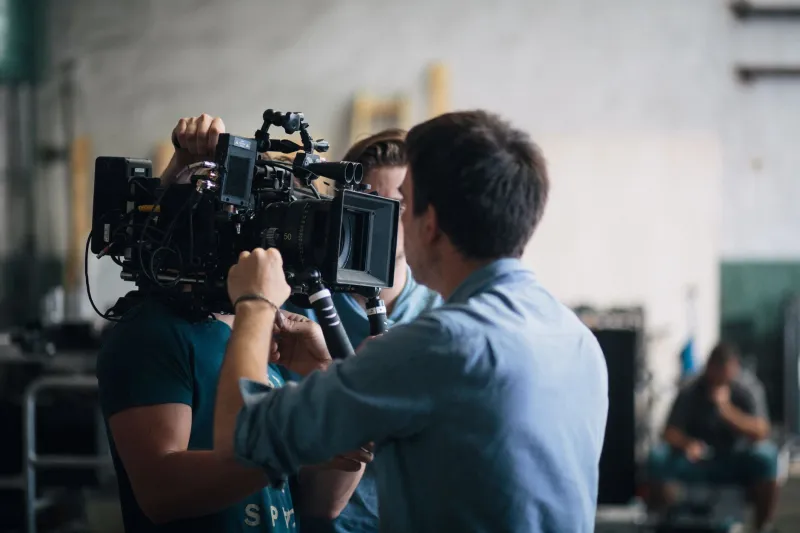
There is a version of production that exists in the imagination of most clients: a sleek, linear march from idea to finished film. The reality is both messier and more fascinating. The path from a first conversation to a final deliverable is paved with creative decisions, honest disagreements, and moments of genuine discovery. Understanding that journey — in its full complexity — is what separates studios that merely execute from those that truly collaborate.
At Studio P9, every project begins the same way: with listening.
The Brief Is Not the Beginning
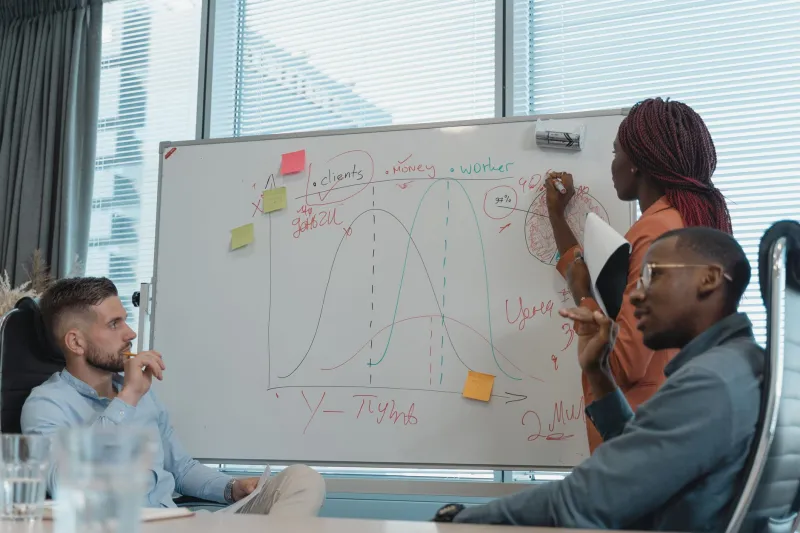
Most clients arrive with a document — a creative brief, a deck, a loosely organized set of notes. That document is valuable, but it is rarely the whole picture. Behind every brief is a set of unstated assumptions, organizational pressures, and aspirational outcomes that only emerge through conversation.
The first client meeting at a production studio worth its reputation is less a presentation and more an excavation. The right questions surface what a client actually needs, which is often subtly different from what they initially asked for. A regional healthcare network may say they want a brand film, but what they really need is a piece that rebuilds community trust after a difficult year. A tech startup may request a product demo video, but the underlying goal is to attract Series B investors, not end users.
Distinguishing between the stated ask and the strategic objective is where production work begins — before a single camera is unboxed.
Creative Development: Where Vision Takes Shape
Once the strategic foundation is established, the studio enters its creative development phase. This is the stage most clients are least familiar with, and yet it is arguably the most consequential.
Directors, producers, and creative leads gather to interrogate the brief. What tone serves the story? What visual language aligns with the client's brand without simply replicating what their competitors have already done? What approach will feel fresh in the marketplace twelve months from now, not just today?
Moodboards are assembled — not as decoration, but as a shared vocabulary. When a client and a studio can both point to a reference image and agree on what they feel, the risk of misalignment during production drops significantly. Style frames and early storyboards follow, translating abstract concepts into concrete visual proposals.
This is also the phase where the most important creative pivots tend to occur. A concept that seemed compelling in a brief may reveal its limitations when rendered as a storyboard. A location that felt obvious on paper may prove logistically prohibitive or visually uninspiring in person. The willingness to abandon a good idea in pursuit of a better one is a hallmark of a mature creative team.
Pre-Production: The Invisible Work
Pre-production is the unglamorous backbone of every successful shoot. Location scouts, talent casting, equipment selection, shot lists, call sheets, permits — the administrative infrastructure of a production project is vast, and its quality directly determines what is possible on set.
For clients watching from a distance, this phase can feel like a waiting period. In practice, it is where a project is either protected or put at risk. A well-scouted location eliminates surprises. A thoroughly cast talent pool gives directors options. A detailed shot list means the crew arrives on set with shared clarity rather than improvised confusion.
At this stage, communication between studio and client remains essential. Approvals, adjustments, and logistical confirmations flow continuously. The best production teams treat pre-production not as a back-office function but as an active creative conversation.
On Set: Where Plans Meet Reality
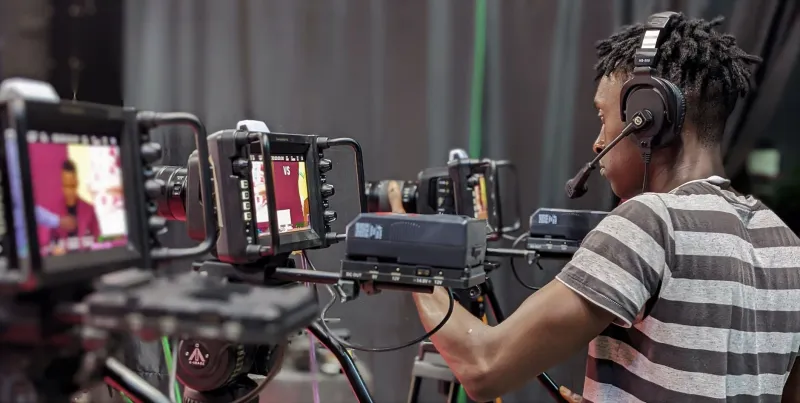
Production days are where the accumulated work of weeks becomes visible. And yet, anyone who has spent time on a professional set knows that the plan and the day are never perfectly identical.
Light shifts. A talent delivers a line in an unexpected way that is, somehow, better than what was scripted. A location that looked perfect on a scout reveals a background element that needs to be addressed. The difference between a competent crew and an exceptional one is not the absence of these moments — it is the speed and creativity with which they are resolved.
Directors make dozens of micro-decisions per hour on set, each one informed by the strategic and creative groundwork laid in the weeks prior. That context is what allows instinctive, in-the-moment choices to still serve the project's larger purpose.
Clients who are present on set often describe this phase as revelatory. Watching a professional crew adapt in real time — solving problems without panic, finding solutions that improve rather than compromise the work — changes how they understand what they are investing in.
Post-Production: Crafting the Final Story
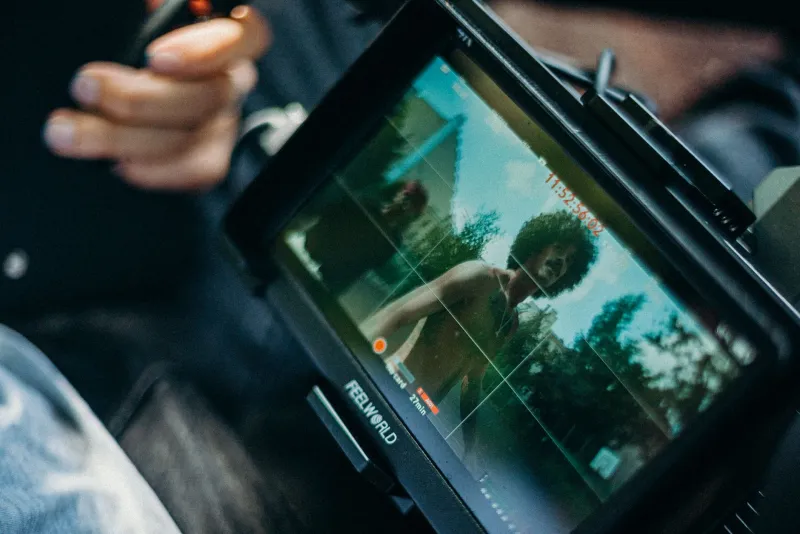
Footage does not become a story until it is edited. The post-production phase is where performance, pacing, sound design, color grading, and motion graphics converge to produce the final experience.
The first assembly cut is rarely the version that ships. It is a diagnostic tool — a way of identifying what is working, what is missing, and what needs to be reconsidered. Feedback rounds between studio and client during this phase are structured to be specific and actionable. Vague responses like "it doesn't feel right" are useful starting points, but the studio's job is to ask the follow-up questions that translate feeling into direction.
Color grading deserves particular attention as an underappreciated craft. The difference between a grade that serves the story and one that merely corrects exposure is significant. A skilled colorist shapes mood, reinforces brand identity, and creates visual cohesion across footage captured under varying conditions.
Delivery and Beyond
Final delivery is not the end of the relationship — it is the beginning of the next phase. A finished film enters the world and begins performing against real audiences. Analytics, audience feedback, and platform performance data all inform how the work is received and what opportunities exist for future projects.
The studios that build lasting client relationships are those that remain curious about outcomes. They want to know whether the brand film moved the needle. They track whether the product launch video contributed to conversions. They treat delivery not as a conclusion but as a data point in an ongoing creative partnership.
That orientation — strategic, invested, long-term — is what distinguishes a production studio from a production vendor. The work on screen is the most visible output. The relationship that produced it is the real asset.