Reading the Wreckage: Inside the Post-Mortem Rituals of Studios That Lost the Pitch
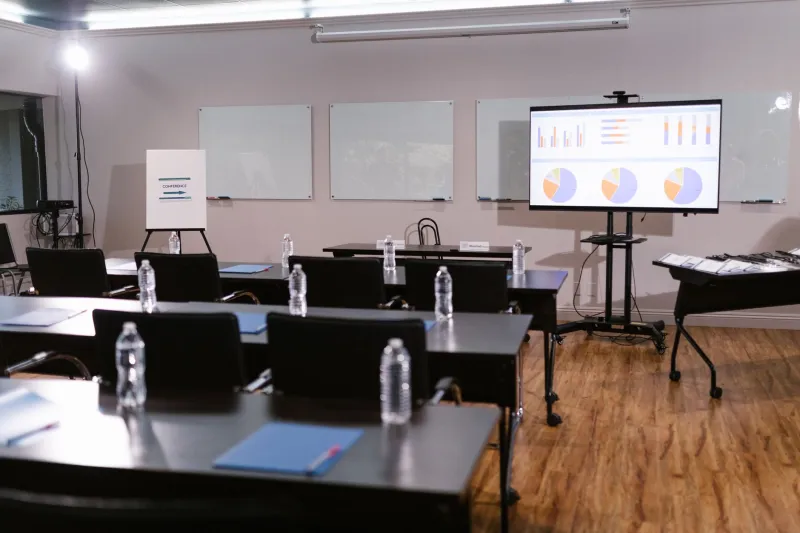
The deck sits in a shared drive folder labeled, without irony, "GRAVEYARD." Forty-one slides, six weeks of work, three all-nighters. The client called on a Thursday to say the decision went another way. By the following Tuesday, a dozen people at the studio were gathered around a conference table to take the presentation apart.
This is the post-mortem, and at a growing number of American creative studios, it has become as institutionalized as the kickoff meeting. Failed pitches are not quietly buried. They are autopsied.
The Anatomy of a Loss
The discipline varies from shop to shop, but the structure is remarkably consistent. Within two weeks of a rejection, the team reconvenes with a facilitator who was not emotionally invested in the win. Someone documents. Nobody performs.
The first question is rarely "what did we do wrong?" It is "was this even our pitch to lose?" Studios that have run enough post-mortems tend to sort losses into three buckets: the wrong studio, the wrong framing, and the wrong room.
The wrong studio is the hardest pill to swallow and the most valuable to identify. Sometimes the client needed a production partner and the studio pitched a creative vision. Sometimes the procurement process was decided before the first meeting. Naming this out loud prevents teams from burning weeks reworking strategy when the outcome was structural.
The wrong framing is the fixable failure. The concept was sound, but it answered the brief the client wrote rather than the problem the client actually had. In one recurring pattern studios report, the winning competitor did less — fewer slides, fewer ideas, one clear argument — while the losing deck tried to demonstrate range.
The wrong room covers everything from a misread decision-maker to a presentation delivered to six people when the real audience was a board that never attended. Chemistry miscalculations live here: the pitch that landed well with marketing but never reached the CFO who held the pen.
Documentation as Institutional Memory
What separates studios that learn from losses and studios that merely survive them is the paper trail. A written post-mortem — circulated internally, archived, searchable — turns individual scar tissue into organizational knowledge.
The most rigorous shops maintain a simple ledger: opportunity, outcome, primary cause of loss, and one process change. The process change is the critical column. Without it, a post-mortem is just group therapy with slides.
Over time, these ledgers reveal patterns no single loss could. One Midwest agency discovered that three-quarters of its rejected pitches involved first-time clients in regulated industries — a signal that its discovery process, not its creative output, needed rework. Another found its win rate on pitches above a certain budget threshold was near zero, prompting an honest conversation about which rooms it belonged in at all.
The Culture Problem Nobody Writes About
There is a reason more studios do not do this well. Autopsies require psychological safety, and creative organizations are not famous for it. A post-mortem conducted carelessly becomes an exercise in blame, and blame teaches teams to stop volunteering for pitches at all.
The studios that sustain the practice share a few habits. Leadership attends but does not dominate. The facilitator asks the most junior person in the room for their read first. And no post-mortem ends without naming at least one thing the team would do again — because losses are not uniformly bad work, and pretending otherwise teaches the wrong lesson.
There is also a temporal discipline worth copying. Many studios schedule a second, lighter review six months out, once the sting has faded. Distance changes the diagnosis. What felt like a creative failure in week one often reveals itself, by month six, as a fit failure — and fit failures are preventable in ways creative ones rarely are.
From Autopsy to Advantage
The quiet payoff of this culture shows up in the wins that follow. Studios that autopsy honestly pitch less often and win more. They decline opportunities that pattern-matched to past losses. They shorten decks. They ask harder questions about who is actually in the room before they agree to be in it.
The graveyard folder, it turns out, is not a place where dead work goes to rest. Handled correctly, it is the most honest research department a studio will ever run — populated entirely by evidence of what the market actually wanted, delivered free of charge by the clients who said no.